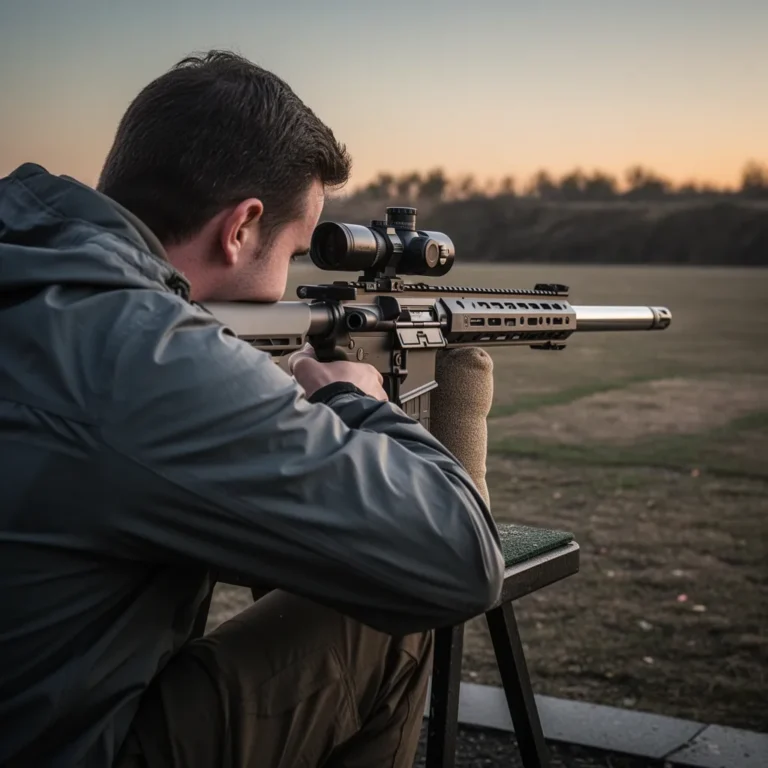
GunBroker stands as a prominent online firearms auction marketplace in the United States, offering American shooters a comprehensive platform to legally browse, list, discuss, and purchase a vast array of firearms-related goods. It functions as a digital meeting point for private sellers, licensed dealers, and buyers, facilitating transactions through an auction-style format while strictly adhering to all federal, state, and local firearms laws.
The Evolution of Online Firearms Marketplaces
The digital age has profoundly reshaped how American shooters acquire firearms, parts, accessories, and ammunition. Gone are the days when local gun shops and print classifieds were the sole avenues for transactions beyond direct manufacturer sales. Today, online platforms have democratized access to a wider inventory, connecting buyers and sellers across state lines. These platforms range from dedicated auction sites to expansive online retailers, specialized parts vendors, and community forums with integrated classified sections.
Online marketplaces provide unparalleled convenience and selection, allowing users to search for specific models, rare parts, or competitive deals from the comfort of their homes. For sellers, they offer a national audience, often leading to better prices and faster sales than local options might provide. This shift has not only broadened the market but also introduced new complexities regarding compliance with federal and state regulations, particularly concerning the transfer of actual firearms.
Understanding How GunBroker Auctions Function
As a leading online auction marketplace, GunBroker provides a structured environment for buying and selling firearms and related items. The core of its operation revolves around an auction model, familiar to anyone who has used online bidding sites. Sellers, who can be private individuals or Federal Firearms License (FFL) holders, list items with a starting bid, and potential buyers place bids over a set period. The highest bidder at the auction’s close typically wins the item.
The variety of items available on GunBroker is extensive, encompassing virtually every category of firearms-related goods. Shooters can find:
- Firearms: Handguns (pistols, revolvers), rifles (bolt-action, semi-automatic, lever-action), shotguns, and antique firearms.
- Ammunition: A wide range of calibers and gauges, including bulk ammunition, specialty loads, and reloading components.
- Parts & Accessories: Barrels, stocks, grips, triggers, magazines, holsters, cleaning supplies, and customization kits.
- Optics: Scopes, red dots, binoculars, and spotting scopes.
- Collectibles: Militaria, vintage firearms, and unique historical pieces.
For buyers, the process involves creating an account, browsing listings by category or using specific search terms, and placing bids. Many listings also offer a “Buy Now” option, allowing immediate purchase at a set price. Once an auction concludes and a winning bidder is determined, payment and shipping arrangements are made between the buyer and seller. This is where legal compliance becomes paramount.
Beyond Auctions: Diverse Online Offerings and Dealer Storefronts
While auction sites like GunBroker are a significant part of the online firearms ecosystem, they exist alongside other crucial platforms. Many licensed firearms dealers operate their own online storefronts, offering new and used inventory directly to consumers. These platforms often feature a more traditional retail experience with fixed pricing and direct inventory management. For an example of how online retailers integrate into the broader market, consider the insights on Classic Firearms and the Modern Online Marketplace.
Moreover, the internet hosts numerous specialized retailers focusing on particular niches, such as precision optics, tactical gear, or specific firearm parts. These sites cater to dedicated segments of the shooting community, offering expert advice and curated selections that might not be as readily available on broader auction platforms.
The integration of dealer software and FFL networks is also critical. Many online platforms provide tools that help sellers verify FFLs for transfers and streamline the shipping process, ensuring that all transactions comply with federal regulations requiring firearms to be transferred through a licensed dealer. This infrastructure supports both the large-scale operations of major retailers and the smaller, individual sales that occur through auction sites.
The Enduring Value of Forums and Regional Classifieds
While national auction sites excel at connecting a wide audience, regional classified boards and dedicated firearms forums continue to play a vital role for American shooters. Platforms like AR15.com: US Firearms Forum and Classifieds Guide offer a unique blend of community, information, and localized transaction opportunities. These platforms often host vibrant discussion boards where members share knowledge, review products, and troubleshoot issues. This communal aspect is invaluable for product research, offering real-world feedback and diverse perspectives on gear and techniques.
Regional classified sections within forums or standalone local sites are particularly useful for person-to-person sales and trades that can be completed within the bounds of state and local laws. These transactions often involve face-to-face meetings and can sometimes occur without the need for an FFL transfer, provided both parties reside in the same state and adhere to all applicable state and local laws for private sales. However, it is crucial for all parties to understand their local laws, as requirements vary significantly by jurisdiction.
Forums also serve as excellent resources for identifying reputable local FFLs for transfers, finding shooting ranges, and learning about local events. The community aspect fosters trust and knowledge-sharing that national commercial sites, by their very nature, cannot fully replicate.
Navigating Legalities in Online Firearms Transactions
A fundamental principle underpinning all online firearms transactions in the United States is strict adherence to federal, state, and local laws. This is especially true for the sale and transfer of actual firearms. Federal law mandates that all firearms purchased across state lines, whether from a dealer or a private individual, must be shipped to a federally licensed firearms dealer (FFL) in the buyer’s state of residence. The FFL then conducts the necessary background check (typically through the National Instant Criminal Background Check System, or NICS) and completes the transfer to the buyer.
It is important for both buyers and sellers to verify the FFL’s license and ensure they are compliant with all regulations. Sellers on platforms like GunBroker are typically required to ship firearms only to verified FFLs. Buyers are responsible for selecting an FFL in their area and ensuring that the firearm they wish to purchase is legal to own in their specific jurisdiction. State and local laws can impose additional restrictions, such as waiting periods, permits for purchase, or prohibitions on certain types of firearms or magazines.
Ammunition, parts, and accessories generally have fewer transfer restrictions than complete firearms, but buyers must still be aware of any state-specific limitations on magazine capacity, ammunition types, or age requirements for purchase. Always confirm current laws in your jurisdiction before engaging in any online firearms transaction.
Conclusion
Online firearms marketplaces, exemplified by platforms like GunBroker, have become indispensable tools for American shooters, offering unparalleled access to a vast and diverse inventory. These platforms, alongside online retailers, specialized vendors, and community forums, collectively form a dynamic ecosystem that caters to nearly every need of the modern shooter. While the convenience and selection are immense, responsible participation hinges on a thorough understanding and strict adherence to all applicable federal, state, and local firearms laws, particularly regarding FFL transfers for firearms. By navigating these digital avenues responsibly, shooters can continue to expand their collections and enhance their shooting sports experience within the framework of the law.
Frequently Asked Questions
What is GunBroker?
GunBroker is a leading online firearms auction marketplace in the United States where individuals and licensed dealers can buy, sell, and bid on firearms and related accessories.
How do I buy a firearm on GunBroker?
To buy a firearm on GunBroker, you typically bid on an item or use the “Buy Now” option. After winning, the firearm is shipped to a local FFL of your choice, who then completes the background check and transfer to you.
Are online firearm purchases legal?
Yes, online firearm purchases are legal in the US, provided all federal, state, and local laws are followed, including mandatory FFL transfers and background checks for firearms.
What kinds of items can I find on these marketplaces?
You can find a wide range of items including handguns, rifles, shotguns, ammunition, optics, parts, accessories, and collectibles on platforms like GunBroker.
What is the role of an FFL in online firearm sales?
An FFL (Federal Firearms License) holder is legally required to facilitate the transfer of firearms purchased across state lines, conducting the necessary background checks before releasing the firearm to the buyer.