
The Valhalla shotgun drill is a demanding training exercise designed to rapidly improve a shooter’s ability to reload a tube-fed shotgun, manage recoil, and quickly reacquire targets under pressure. It involves loading and firing six shells in a specific sequence, pushing the limits of both speed and precision for pump-action and semi-automatic shotguns.
For American shooters, proficiency with a shotgun often extends beyond basic marksmanship to include the critical skill of rapid reloading. Unlike magazine-fed firearms, most defensive shotguns rely on manual tube replenishment, making efficient shell management a fundamental aspect of effective operation. The Valhalla Drill, developed by instructor Bill Armstrong at Mead Hall Range, offers a structured and challenging method to hone these vital skills, transforming a simple limitation into a measurable test of speed and control.
Understanding the Valhalla Shotgun Drill
At its core, the Valhalla Drill is deceptively simple: six shells, three escalating strings of fire, and the unforgiving judgment of a shot timer. The objective is to load and fire all six rounds as quickly and accurately as possible from an empty shotgun. This drill is specifically tailored for modern repeating shotguns, whether pump-action or semi-automatic, demanding that shooters not only reload quickly but also maintain accuracy and effective recoil management throughout the sequence.
The drill’s design inherently exposes weaknesses in a shooter’s technique. Slow reloads, fumbling with shells, or inadequate recoil control become immediately apparent, providing clear areas for improvement. It’s a comprehensive workout that integrates multiple facets of shotgun handling into a single, intense exercise.
Setting Up for the Challenge
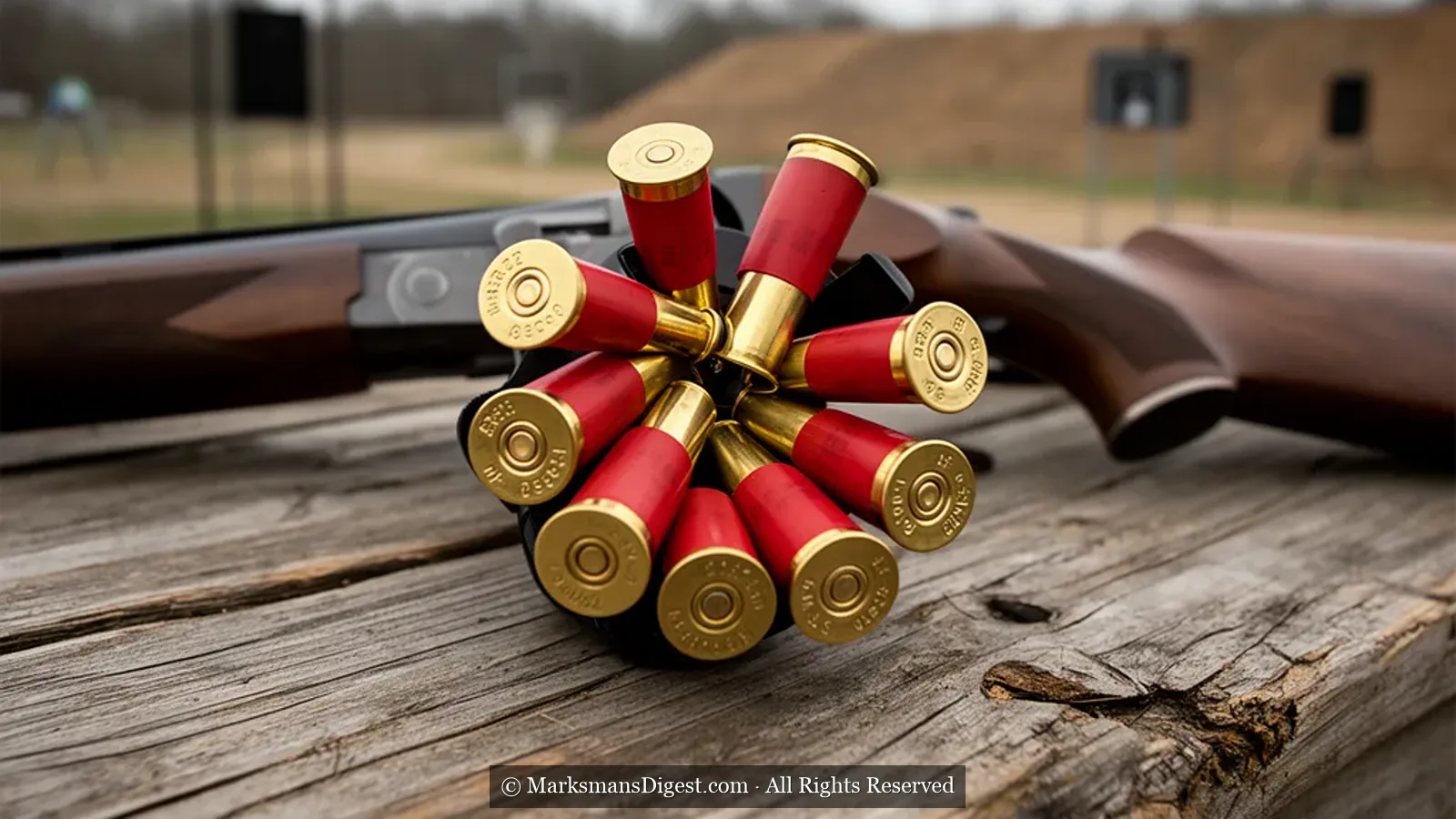
To execute the Valhalla Drill, you’ll need your shotgun, six rounds of ammunition, and a reliable method to carry those rounds for rapid access. While a side saddle mounted directly on the shotgun is a popular and efficient choice, shells can also be staged on a belt or chest rig, depending on your preferred setup and gear. The key is consistent, easy access to your ammunition.
Target selection is flexible but should offer a reasonable challenge. An IPSC A-zone target provides a clear scoring area, encouraging precision. Alternatively, steel targets offer immediate audible feedback, which can be highly motivating for speed drills. For those training with birdshot, setting up clay pigeons on a berm adds an engaging and dynamic element, forcing precise aiming even with less powerful loads. Regardless of your choice, ensure the target distance demands a degree of accuracy to truly benefit from the training.
A crucial piece of equipment for objective performance tracking is a shot timer. This tool provides unbiased data, allowing you to measure your progress and identify areas where fractions of a second can be shaved off your total time. Starting with your shotgun empty and its action locked open, with all six rounds staged for immediate reloading, sets the stage for the drill to begin.
Executing the 1-2-3 Reload Sequence
The Valhalla Drill unfolds in three distinct stages, each building on the last. It pushes the shooter to seamlessly transition between loading and firing, emphasizing fluidity and efficiency. Here's the breakdown:
Stage One: The Emergency Load
At the "go" signal from your shot timer, the first action is to load one round directly into the ejection port of your shotgun. This "emergency load" allows for the quickest possible return to firing. Once the round is chambered, fire a single shot at your target. The gun is now empty again, preparing you for the next stage.
Stage Two: Double the Pressure
Immediately after the first shot, you must reload two rounds and fire two shots. For many, this involves another emergency port reload followed by a standard tube reload, feeding a shell into the magazine tube. The critical aspect here is the rapid transition from firing to reloading, then back to firing with accuracy. After the second shot, your shotgun is once more empty.
Stage Three: The Full Sprint
The final stage demands the most: load three rounds and fire three shots. This typically means an emergency port reload and then two shells fed into the tube. This sequence truly tests your muscle memory, dexterity, and ability to manage the shotgun under increasing stress. Once the third shot of this string is fired, the drill is complete, and your time is recorded.
The Valhalla Drill is not just about raw speed. It forces shooters to constantly switch between a firing stance and a reloading posture, requiring rapid reacquisition of the sight picture and immediate re-establishment of proper push/pull tension for recoil control. The fluid execution of these transitions is what separates competent shotgunners from those still finding their rhythm.
Analyzing Your Performance and Progress
After each run, the shot timer provides immediate feedback. While a time around 15 seconds is often considered acceptable for completing the Valhalla Drill, breaking the 10-second barrier is widely regarded as exceptional. These benchmarks offer clear goals for improvement. The beauty of the drill lies in its ability to highlight incremental gains, making the pursuit of faster times an engaging, almost addictive, endeavor.
"Around 15 seconds seems to be acceptable, while under 10 seconds is considered exceptional." – Ammoland.com
Tracking your times over multiple sessions allows you to see tangible progress. This objective data is invaluable for identifying specific areas where your technique can be refined, whether it’s smoother shell extraction from your carrier, more efficient port loading, or faster tube replenishment. The goal isn’t just to be fast, but to be consistently fast and accurate.
Beyond Reload Speed: The Comprehensive Training Value
While reloading speed is the most obvious benefit, the Valhalla Drill offers a wealth of other training advantages for the serious American shooter. It’s a holistic exercise that touches upon several critical aspects of shotgun proficiency:
- Recoil Management: Firing multiple rounds rapidly, especially after quick reloads, demands excellent recoil control. The drill forces you to quickly re-establish your stance and grip after each shot and reload, building the ability to manage the gun effectively under stress.
- Target Reacquisition: The constant cycling between firing and reloading means you are repeatedly breaking and re-establishing your sight picture. This trains your eyes and body to quickly get back on target, a crucial skill in dynamic shooting scenarios.
- Seamless Transitions: The drill inherently trains the shooter to transition smoothly and efficiently between the actions of firing, reloading, and preparing to fire again. This fluidity is paramount for maintaining control and speed in real-world applications.
- Gear Integration: Practicing with your chosen shell carrier – be it a side saddle, belt, or chest rig – ensures that your gear is integrated into your workflow, making reloads instinctive rather than a conscious struggle.
Advanced Variations for Enhanced Training
Once you’ve mastered the basic Valhalla Drill, several variations can be introduced to further increase its difficulty and expand its training value:
Multiple Targets and Distances
Instead of a single target, set up two or three targets at varying distances or angles. This adds the element of target transitions, forcing you to shift your aim and body position rapidly between shots. For example, you might engage targets in a specific order (left-center-right) or move from a close target to a farther one, simulating a dynamic engagement. This enhances situational awareness and the ability to adapt quickly.
Dynamic Movement
While the original drill is static, incorporating movement between strings can significantly elevate the challenge. For instance, after firing the first shot, move a few steps to a new position before executing the two-shell reload and fire. This adds a tactical dimension, mirroring real-world scenarios where shooters may need to reposition while managing their firearm.
Ammunition Variety
Though the source suggests birdshot for training with clay pigeons, consider how different ammunition types might affect your recoil management and reloading rhythm. While not part of the core drill, understanding the feel of different loads can be beneficial for those who use their shotguns for diverse purposes. Always ensure safe backstops and appropriate targets for the ammunition used.
The Valhalla Drill, in its various forms, remains an excellent tool for any shotgun enthusiast looking to push their skills. It’s not just a test of speed; it’s a test of comprehensive shotgun handling under pressure, offering a rewarding path to greater proficiency and confidence.
Frequently Asked Questions
What is the primary goal of the Valhalla Shotgun Drill?
The primary goal is to improve a shooter's speed and efficiency in reloading a tube-fed shotgun, along with enhancing recoil control and rapid target reacquisition.
What equipment is necessary to perform the drill?
You need a pump-action or semi-automatic shotgun, six rounds of ammunition, a method to carry shells for quick access (like a side saddle or belt rig), and preferably a shot timer to measure performance.
How is the Valhalla Drill structured?
The drill involves three escalating strings: load one round and fire one shot, then load two rounds and fire two shots, and finally load three rounds and fire three shots, all starting from an empty gun with the action open.
What are considered good times for the Valhalla Drill?
An acceptable time is around 15 seconds, while achieving a time under 10 seconds is considered exceptional for this drill.
Can the drill be adapted for different skill levels?
Yes, the drill can be made more challenging by incorporating multiple targets, varying distances, or even dynamic movement between strings of fire.
Why is the Valhalla Drill beneficial beyond just reloading?
Beyond reloading, it improves recoil management, the ability to quickly reacquire targets after cycling the action, and the seamless transition between firing and reloading, all crucial skills for effective shotgun use.