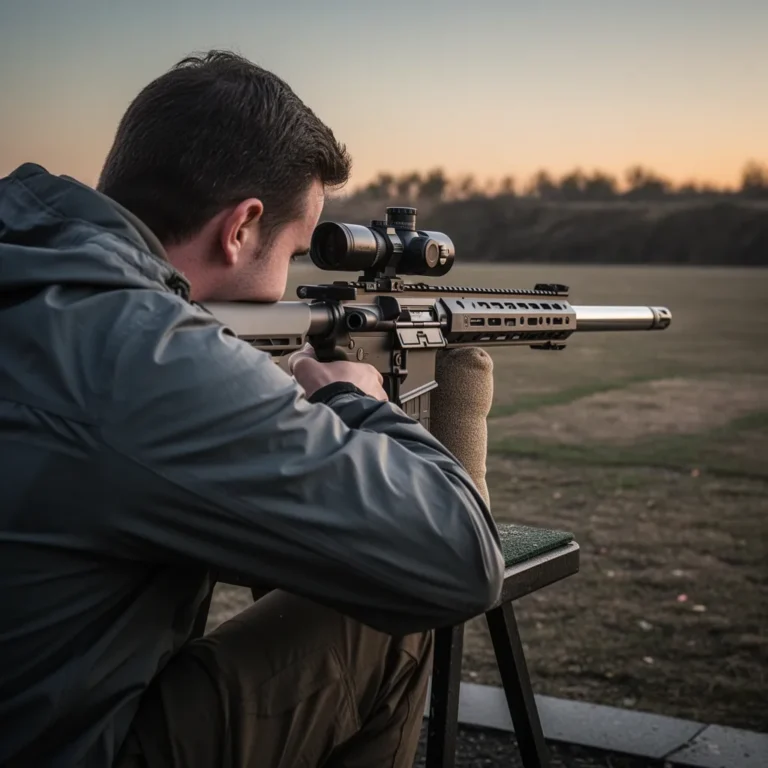

Online firearms marketplaces in the United States provide a vital digital space for American shooters to buy, sell, and discuss firearms and related equipment. These platforms range from classifieds sites and dedicated forums to auction platforms and integrated dealer storefronts, each offering unique avenues for connecting buyers with sellers while requiring strict adherence to all federal, state, and local firearms laws, including mandatory FFL transfers where applicable.
The Digital Landscape of Firearms Transactions
The internet has profoundly reshaped how American shooters engage with the firearms market, moving beyond traditional gun shows and brick-and-mortar stores. Online platforms have emerged as essential tools for discovering new gear, finding rare collectibles, and connecting with other enthusiasts across the nation. These digital spaces facilitate everything from casual browsing to serious transactions, offering an unparalleled selection and convenience.
Among these platforms, classifieds listing sites like ArmsList stand out as prominent examples. They serve as a primary hub where private parties and licensed dealers can list firearms and related goods for sale, reaching a broad audience of American shooters. This model fosters a direct connection between buyer and seller, often allowing for more personalized transactions and discussions about specific items.
ArmsList is a well-known firearms classifieds listing site used by American shooters to browse, list, discuss, or purchase firearms-related goods online. The public site at https://www.armslist.com/ is the primary surface buyers and sellers use.
This digital evolution means that understanding the various types of online platforms—how they operate, what they offer, and crucially, how to navigate them legally—is more important than ever for the informed shooter.
Understanding Classifieds and Forums
Classifieds Platforms: Direct Connections
Online classifieds platforms function much like their newspaper predecessors, but with a national reach and sophisticated search capabilities. Users can post listings for firearms, accessories, ammunition, parts, and more, complete with descriptions and photos. Buyers can then browse these listings by category, location, price, and other filters. The organizational structure typically includes broad categories such as ‘Handguns,’ ‘Rifles,’ ‘Shotguns,’ ‘Ammunition,’ and ‘Accessories,’ with sub-categories for specific calibers, brands, or types of gear.
These platforms excel at connecting local buyers and sellers, which can simplify the transfer process for private party sales where state law permits. However, many sales, especially those across state lines or involving handguns, will require shipment to a Federal Firearms License (FFL) holder for the transfer, ensuring compliance with federal law. Common items found range from modern sporting rifles and tactical gear to vintage firearms and reloading components, offering a diverse marketplace for nearly every shooting discipline.
Forums: Research and Community Hubs
Beyond direct sales, online forums remain an invaluable resource for the firearms community. These platforms are less about direct transactions and more about information exchange, community building, and peer-to-peer advice. Shooters frequent forums to research specific products, read user reviews, troubleshoot issues, and gain insights into ballistics or shooting techniques. For example, a shooter considering a custom Beretta 21A Bobcat build might find invaluable advice on modifications and performance enhancements within a dedicated forum thread.
Forums also play a significant role in facilitating local private party transfers. While not transactional sites themselves, they often have sections dedicated to local classifieds or ‘want to buy/sell’ posts, allowing members to connect within their geographical area. This can be particularly useful for finding hard-to-locate items or arranging face-to-face transactions that comply with state and local laws, always emphasizing the necessity of legal adherence, including background checks where mandated by state law.
Auction Sites and Dealer Integrations
Auction Marketplaces: Competitive Bidding
Distinct from classifieds, online auction marketplaces introduce a competitive bidding dynamic to firearms sales. These sites allow sellers, often licensed dealers, to list firearms and related items for auction, where buyers place bids over a set period. The highest bidder at the close of the auction wins the item. Many auction sites also offer ‘Buy Now’ options for immediate purchase at a fixed price, blending elements of both auction and retail sales.
The primary difference lies in the sales mechanism: classifieds are typically ‘first come, first served’ or involve direct negotiation, while auctions foster competition. Auction platforms often have more formalized processes for payment and shipping, frequently requiring items to be shipped directly to an FFL for transfer, even for intra-state sales, depending on the platform’s policies and state law. This structure provides a transparent, often secure, method for acquiring firearms, especially for unique or high-demand items.
Dealer Software and Retailer Platforms
The digital age has also seen the rise of sophisticated dealer software and integrated retailer platforms. These systems enable licensed firearms dealers to manage inventory, process sales, and ensure compliance with regulatory requirements more efficiently. Many online retailers operate their own e-commerce platforms, offering new firearms, ammunition, and accessories directly to consumers. These platforms often integrate directly with payment processors and shipping services, streamlining the purchasing experience.
Furthermore, some dealer software solutions allow FFL holders to list their inventory on broader marketplaces, effectively extending their reach beyond their physical storefront. This means a shooter looking for a high-performance optic like a Zeiss V3 hunting scope might find it listed by a dealer across the country, with the understanding that it will be shipped to their local FFL for the final transfer. These integrated systems are crucial for maintaining legal compliance, particularly regarding background checks and record-keeping, which are paramount in all firearms transactions.
Navigating the Legal Framework for Online Sales
For American shooters, understanding the legal landscape surrounding online firearms transactions is not merely advisable; it is absolutely mandatory. Federal law dictates that all interstate sales of firearms, whether purchased online or in person, must go through a Federal Firearms License (FFL) holder. This means a firearm purchased from a seller in a different state must be shipped to an FFL in the buyer's state of residence. The FFL then conducts the required background check (NICS) on the buyer before transferring the firearm. This applies to handguns, rifles, and shotguns.
For intrastate sales (within the same state), state and local laws vary considerably. Some states permit private party sales without an FFL transfer, while others require all firearms transactions, even between private citizens, to go through an FFL. It is the responsibility of both the buyer and the seller to be fully aware of and comply with all applicable federal, state, and local laws before initiating any transaction. Ignorance of the law is not a defense, and penalties for non-compliance can be severe. Marksman's Digest always advises readers to confirm current laws in their specific jurisdiction and, when in doubt, to consult with an FFL or legal professional to ensure full compliance. These online platforms are tools, and like any tool, they must be used responsibly and lawfully.
Frequently Asked Questions
What is an online firearms classifieds site?
An online firearms classifieds site is a digital platform where individuals and licensed dealers can list firearms and related accessories for sale, and prospective buyers can browse these listings. It functions like an online bulletin board for the firearms community.
How do online firearms marketplaces ensure legal compliance?
These marketplaces typically require users to adhere to all federal, state, and local firearms laws. For actual firearm transfers, most platforms mandate that sales go through a Federal Firearms License (FFL) holder for background checks, especially for interstate transactions.
What types of items can be found on these platforms?
A wide range of items can be found, including handguns, rifles, shotguns, ammunition, optics, parts, accessories, and reloading supplies. Listings vary from new items to used and collectible firearms.
Are forums still relevant for firearms enthusiasts?
Yes, forums remain highly relevant as community hubs for discussion, product research, technical advice, and user reviews. They also facilitate local connections for potential private party transfers where legally permissible.
What is the difference between classifieds and auction sites?
Classifieds sites typically involve direct negotiation or fixed-price listings, often on a first-come, first-served basis. Auction sites, by contrast, use a competitive bidding system where the item is sold to the highest bidder at the end of a set period.