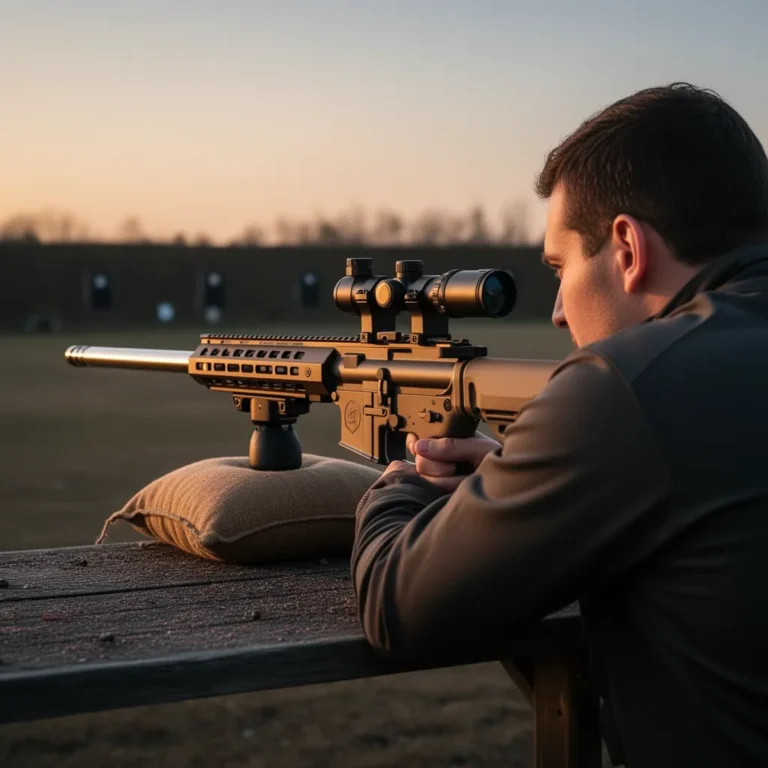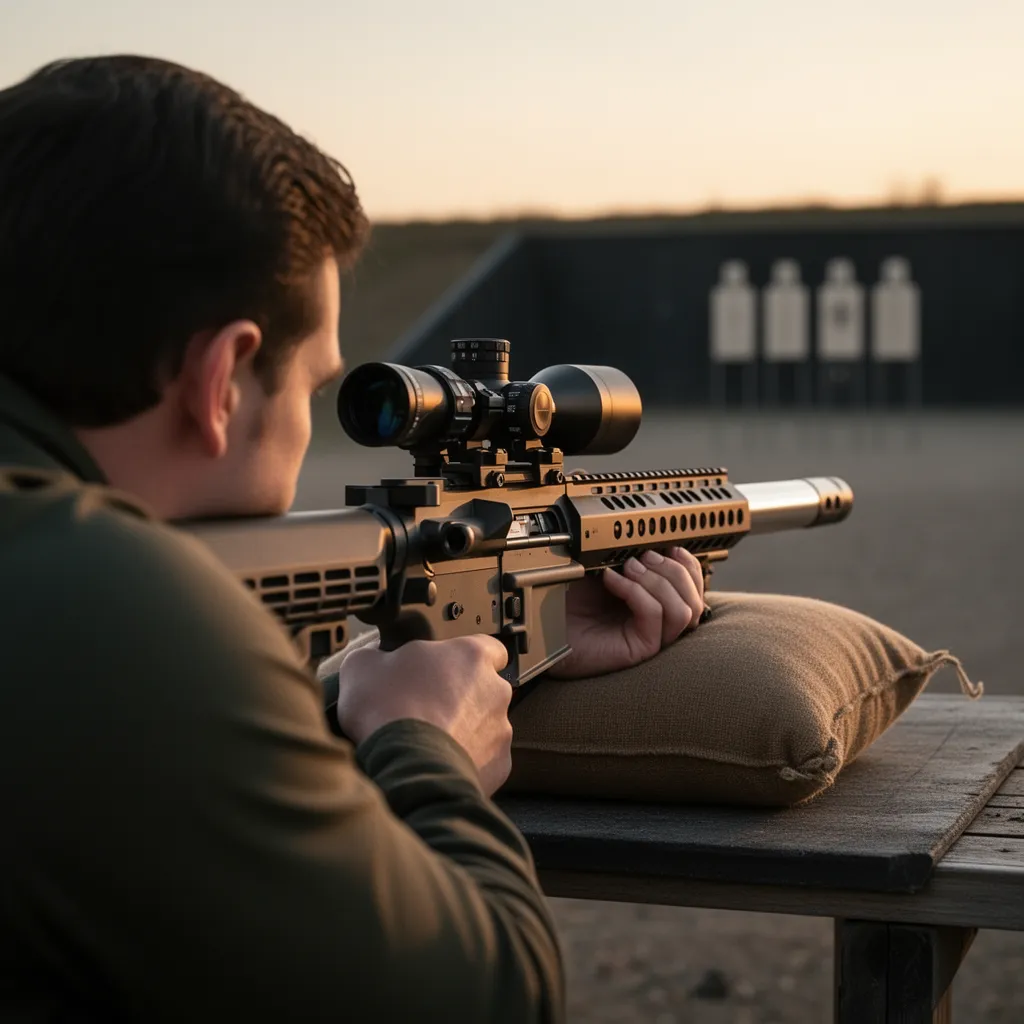

Texas Gun Trader is a prominent regional online classifieds platform in the United States, serving as a vital hub for American shooters to connect, browse, list, and facilitate the private-party exchange of firearms and related gear. These platforms offer a localized approach to the firearms market, allowing individuals within a specific state to more easily find and transact items while adhering to all applicable federal, state, and local laws, including required FFL transfers.
The Rise of Regional Firearms Classifieds
In the expansive landscape of the American firearms market, regional online classifieds have carved out a significant niche, providing a dedicated space for buyers and sellers within a specific state to connect. Unlike broader national marketplaces, platforms such as Texas Gun Trader focus on fostering local transactions, which can simplify logistics for certain types of sales and transfers. These sites typically operate as bulletin boards where private citizens can post items for sale or wanted ads, ranging from complete firearms to ammunition, accessories, and parts.
The appeal of a regional classifieds board lies in its ability to narrow the geographic scope of potential transactions. For many shooters, finding a buyer or seller within a reasonable driving distance is a considerable advantage, particularly when dealing with items that are cumbersome to ship or when a face-to-face inspection is preferred. This localized focus also often facilitates a stronger sense of community among users, as individuals are more likely to interact with fellow enthusiasts from their own state.
Navigating the Texas Gun Trader Platform
Using a regional classifieds platform like Texas Gun Trader is straightforward for most internet-savvy shooters. The site is organized into intuitive categories designed to help users quickly locate specific types of firearms and gear. Common categories typically include:
- Handguns: Subdivided by type (e.g., semi-automatic, revolver) and sometimes by caliber.
- Rifles: Often broken down by action (e.g., bolt-action, semi-automatic), caliber, or specific models like AR-pattern rifles.
- Shotguns: Categorized by gauge, action type, and intended use (e.g., hunting, sporting).
- Ammunition: Listings for various calibers and gauges, often specified by quantity and manufacturer.
- Accessories & Parts: This broad category encompasses everything from optics, holsters, magazines, and grips to internal components for customization or repair.
When browsing, users can typically filter listings by location, price, condition, and other relevant criteria. For sellers, creating an effective listing involves providing clear, accurate descriptions of the item, including its condition, any modifications, and the asking price. High-quality photographs from multiple angles are essential to attract serious buyers and convey transparency. Direct communication tools, often via an internal messaging system or email, allow interested parties to ask questions and negotiate terms before committing to a transaction.
The Legal Landscape of Private Firearm Sales
It is paramount that all transactions conducted through platforms like Texas Gun Trader strictly adhere to federal, state, and local firearms laws. While these platforms facilitate connections between private parties, they do not manage the legal transfer process itself. The responsibility for ensuring a lawful sale or purchase rests entirely with the individuals involved.
Federal law mandates that firearms sales between residents of different states must be conducted through a licensed Federal Firearms License (FFL) holder. This means that if a seller in Texas connects with a buyer in Oklahoma, the firearm must be shipped to an FFL in Oklahoma, where the buyer will then complete the necessary background check and paperwork according to their state’s laws. Within a single state, private party sales are generally permissible without an FFL transfer for non-prohibited persons, unless state or local laws dictate otherwise. For example, some states require all private firearm sales to go through an FFL, regardless of whether the buyer and seller are residents of the same state. Shooters should always verify the current legal requirements in their specific jurisdiction before engaging in any transaction. For further insights into navigating online firearms transfers, you might find our guide to Calguns & Online Firearms Classifieds: A Shooter’s Guide helpful.
“Every sale must follow federal, state, and local law, including FFL transfers where required.” Texas Gun Trader
Ignorance of the law is not a defense, and legal ramifications for improper transfers can be severe. Always err on the side of caution and consult with an FFL or legal counsel if there is any ambiguity regarding the legality of a transfer.
Beyond Classifieds: Forums and Auction Sites
While regional classifieds like Texas Gun Trader excel at facilitating local private sales, they are part of a larger ecosystem of online firearms resources. Dedicated firearms forums, such as those focusing on specific disciplines or firearm types, continue to be invaluable for shooters. Forums serve as community hubs for product research, technical discussions, sharing experiences, and even organizing local shooting events. They can also be a source of local knowledge regarding FFLs, ranges, and state-specific legal interpretations, making them a complementary resource for those using classifieds.
In contrast to regional classifieds, national online auction marketplaces, exemplified by platforms like GunBroker, operate on a broader scale. These sites often feature listings from FFL dealers and private sellers across the entire United States, typically employing an auction-style bidding system or “Buy It Now” options. The primary distinction is the scale and the inherent requirement for FFL involvement in nearly all firearm transactions due to interstate commerce rules. While a regional classifieds board might prioritize direct local meetups, a national auction site is built around the shipping of firearms between FFLs.
Each type of platform offers distinct advantages. Regional classifieds are excellent for localized, private-party transactions and finding specific items within your state. Forums provide rich community interaction and information. National auction sites open up a vast market for both common and rare firearms, often leveraging the convenience of a structured bidding process. Understanding the nuances of each platform allows American shooters to navigate the online firearms market effectively and responsibly.
Frequently Asked Questions
What is Texas Gun Trader?
Texas Gun Trader is a regional online classifieds platform where individuals within Texas can list, browse, and facilitate private-party sales of firearms and related accessories.
How do regional classifieds differ from national auction sites?
Regional classifieds focus on connecting buyers and sellers within a specific state for localized transactions, while national auction sites operate across state lines, often requiring FFL transfers for all firearm sales.
What types of items can I find on Texas Gun Trader?
Users can typically find a wide range of firearms including handguns, rifles, and shotguns, as well as ammunition, optics, holsters, and various other accessories and parts.
Are FFL transfers required for sales on platforms like Texas Gun Trader?
FFL transfers are federally required for interstate sales. For in-state private sales, it depends on specific state and local laws; some states require FFL involvement even for private-party transfers.
Why are firearms forums still useful for shooters?
Firearms forums remain valuable for product research, technical discussions, community interaction, and gaining local knowledge regarding FFLs, ranges, and specific legal interpretations.
What should I do to ensure a lawful transaction on a classifieds site?
Always verify and strictly adhere to all federal, state, and local firearms laws, including FFL transfer requirements, and consult with an FFL or legal counsel if you have any questions.